Vietnam Visa on Arrival: Everything You Need to Know. As travelers increasingly seek out the stunning landscapes, rich culture, and mouth-watering cuisine of Vietnam, understanding the visa requirements becomes vital. For many, the Vietnam Visa on Arrival (VOA) offers a convenient pathway to explore this Southeast Asian gem. This guide will empower you with all the information required for a seamless experience as you plan your journey.
Vietnam Visa on Arrival: An Introduction to the Process

Understanding the nuances of the Vietnam Visa on Arrival process can significantly enhance your travel planning. This system simplifies the complexities usually associated with obtaining a visa, allowing you to step into Vietnam more effortlessly.
The Vietnam Visa on Arrival (VOA) is often referred to as a Landing Visa, which you secure upon your arrival at one of Vietnam’s international airports. Importantly, it is critical to note that you cannot apply for a VOA at land borders or seaports; air travel is mandatory. Unlike traditional visa applications through embassies or consulates, the VOA involves an online pre-approval letter from a recognized Vietnamese agency, making it a much easier alternative for many travelers.
What Is Vietnam Visa on Arrival?
The Vietnam Visa on Arrival allows visitors to enter the country without going through the lengthy procedures typically involved in visa application processes. Instead, the traveler first obtains a pre-approval letter online before arriving in Vietnam. Upon touching down, they will present this letter at the designated airport, complete any necessary paperwork, and pay the stamping fee.
This method has gained popularity among tourists and business travelers alike who prefer to minimize hassles and maximize their time exploring the wonders of Vietnam.
How Does It Work?
To begin the process, travelers must fill out an online application form provided by a reputable visa agency. This form necessitates specific details, including your name as it appears on your passport, nationality, travel dates, and other essential information. After submitting the application and paying the service fee, the agency will provide an approval letter via email.
Upon arrival at one of Vietnam’s international airports, you will need to present this letter along with your passport, complete the required forms, and pay the stamping fee to officially receive your visa.
The Importance of Research
Before embarking on this journey, do diligent research to determine if the VOA is suitable for your needs. Different nationalities may have varying regulations, so checking against official resources like the Vietnam Immigration Department is crucial. By arming yourself with the right knowledge, your entry into Vietnam can proceed smoothly.
Eligibility for Vietnam Visa on Arrival
Eligibility criteria for the Vietnam Visa on Arrival play a pivotal role in determining who can utilize this option effectively. Understanding these parameters ensures you’re well-prepared for your trip.
While the VOA is widely available, not everyone qualifies. Generally speaking, the process is open to nationals from most countries. However, there are specific caveats related to the purpose of your visit and your nationality. Commonly, the VOA is used for tourism and business purposes; thus, travelers planning to work in Vietnam or stay for extended periods should consider applying for a different type of visa through a Vietnamese embassy or consulate.
Who Can Apply?
Most nationalities can apply for a Vietnam Visa on Arrival, but it’s essential to check your eligibility based on your home country. Countries such as the United States, Canada, Australia, and several European nations typically enjoy access to the VOA, while certain countries may face restrictions.
Additionally, special arrangements exist for citizens of ASEAN member states, who may find alternatives or exemptions for short stays. Visiting the official website of the Vietnam Immigration Department or consulting reliable visa agencies can help you determine your options.
Purpose of Visit Matters
The purpose of your visit significantly influences your eligibility for a VOA. Most commonly, travelers utilize this visa for tourism—exploring vibrant cities like Ho Chi Minh City, Hanoi, and discovering the breathtaking landscapes of Ha Long Bay. Business travelers also leverage the VOA to attend conferences, meetings, or engage in legitimate business activities.
However, if your intentions involve long-term residency, employment, or work-related activities, you must opt for the appropriate visa category. It’s crucial to understand the scope of your visit to prevent any complications during your stay.
Additional Considerations for Special Cases
Some nationalities may be subject to additional stipulations or unique situations, especially those with complex backgrounds or history. It’s wise to conduct thorough research to ensure that your circumstances align with the eligibility criteria for the VOA.
In some cases, travelers may encounter scenarios where their previous visas were denied or cancelled. If this applies to you, it’s best to seek advice from a qualified visa consultant or legal adviser knowledgeable about immigration law in Vietnam.
Steps to Apply for a Vietnam Visa on Arrival
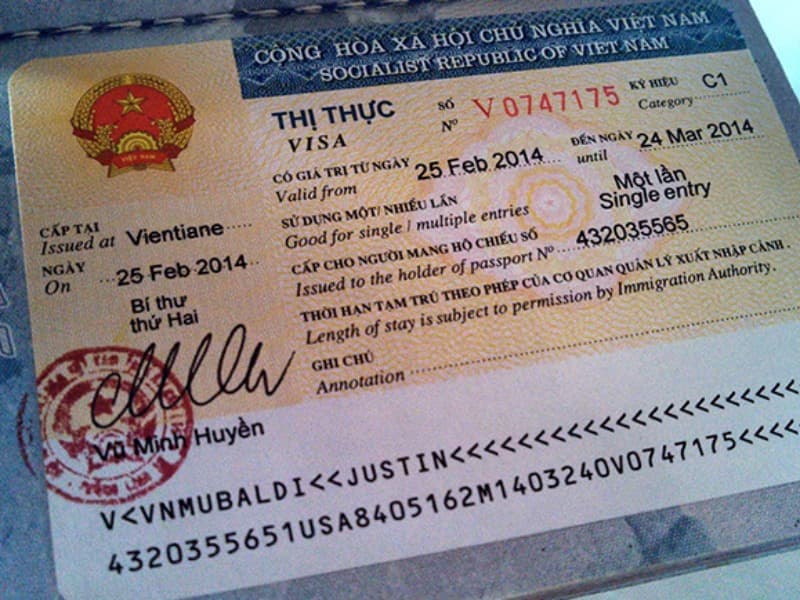
Navigating the steps to secure a Vietnam Visa on Arrival can seem daunting, but breaking them down makes the process much easier. Each stage is integral to ensuring that you meet the necessary requirements and successfully gain access to Vietnam.
Your journey begins by obtaining a visa pre-approval letter through a reputable Vietnamese agency, which streamlines the entire procedure. Here’s how to go about it.
Choosing the Right Visa Agency
The first step to a successful VOA application is selecting a trustworthy visa agency that specializes in Vietnam. A simple online search will yield numerous options, but conducting due diligence is paramount. Read reviews, compare pricing, and evaluate processing times to identify agencies with a solid reputation.
Look for agencies with secure websites and transparent contact details. Authentic testimonials from past clients can provide valuable insights into their reliability and professionalism.
Filling Out the Online Application Form
Once you’ve chosen a reputable agency, the next step involves filling out the online application form. The form will require personal information, including your name as listed on your passport, passport number, nationality, and intended travel dates. Accuracy is key—small mistakes can lead to complications or delays.
After completing the form, you will be required to pay the agency’s service fee. The cost varies depending on the type of visa (single or multiple entries) and the processing time selected. Make sure to review the terms before finalizing your application.
Waiting for the Pre-Approval Letter
After submitting your application and payment, the agency will process your request. In most cases, you will receive your pre-approval letter within a few business days. It’s advisable to keep an eye on your email inbox, and perhaps even your spam folder, just in case.
Confirm that the letter contains all the necessary information, including your name, travel dates, and visa type. This document is your golden ticket to securing a visa upon arrival, so keep a printed copy handy once you receive it.
Required Documents for Vietnam Visa on Arrival Application
Equipping yourself with the correct documentation is crucial for a smooth application process and facilitating entry into Vietnam. Each piece of paper plays its part in ensuring compliance with immigration regulations.
Upon arrival at the airport, you will need to present specific documents to obtain your visa. Familiarizing yourself with these requirements can save you valuable time and avoid unnecessary complications.
Key Documents to Prepare
The primary documents required include:
- Visa Pre-Approval Letter (Printed): This letter issued by the agency confirms your eligibility for the VOA.
- Your Passport: Ensure your passport remains valid for at least six months beyond your planned entry date and has at least two blank pages for visa stamps.
- Visa Application Form (Entry and Exit Form): This form, typically downloadable from the agency’s website, should be filled out completely and accurately prior to your arrival.
Other potential requirements may include passport-sized photographs, although often taken care of at the airport.
Additional Supporting Materials
Beyond the fundamental documents, consider gathering additional materials that may reinforce your entry into the country. These could comprise proof of accommodation bookings, flight itineraries, or evidence of sufficient funds during your stay in Vietnam. While not always mandatory, having these documents on hand can expedite the process and demonstrate your preparedness to immigration officials.
Keeping Copies Handy
It’s wise to make photocopies of your important documents before traveling. In the event of loss or theft, having backups can serve as a safety net. Additionally, keeping digital copies in a secure cloud storage space or email can help you retrieve necessary documents swiftly during your trip.
By preparing these documents in advance, you can confidently approach the immigration process and focus on enjoying the myriad experiences awaiting you in Vietnam.
Visa on Arrival Approval Letter: What to Expect
The Visa on Arrival approval letter serves as a cornerstone of your entry into Vietnam. Understanding what to expect and how to handle it properly can facilitate a smoother experience upon arrival.
This letter is issued by the visa agency after successfully processing your application. It acts as an authorization for you to receive a visa upon landing at one of Vietnam’s international airports.
Understanding the Approval Letter
Your approval letter will detail essential information, including your full name, nationality, passport number, and the type of visa granted (e.g., single entry or multiple entry). Be sure to double-check these details for accuracy since discrepancies could lead to complications.
The letter may also indicate the duration of your stay, which is crucial to respect as overstaying can result in penalties. Keep this document safe, as it will be presented to immigration officers upon your arrival in Vietnam.
Printing and Carrying Your Approval Letter
When preparing for your trip, ensure you print multiple copies of the approval letter. Presenting a hard copy is often necessary at the Visa on Arrival counter at the airport, and having extras can serve as backups. Additionally, it’s wise to carry a digital copy on your smartphone or tablet for easy access.
What Happens at the Airport?
Upon arriving at the airport, head to the Visa on Arrival counter and present your approval letter alongside your passport. Immigration officers will verify the information, and you will need to complete the visa application form and pay the stamping fee. Once processed, you’ll receive your visa, allowing you to embark on your adventure throughout Vietnam.
Vietnam Visa on Arrival Fees: A Comprehensive Breakdown
Understanding the fees associated with the Vietnam Visa on Arrival is essential for effective budgeting and avoiding surprises upon entry. The costs can vary, so being informed empowers you to prepare adequately.
There are generally two components to the overall cost of obtaining a VOA: the service fee paid to the visa agency and the stamping fee paid at the airport.
Service Fee
The service fee is the charge imposed by the visa agency for processing your application and issuing the pre-approval letter. Depending on the agency, this cost can fluctuate based on factors such as visa type (single or multiple entry), processing speed, and additional services offered.
It’s advisable to compare various agencies to find one that offers reasonable fees without sacrificing quality or reliability. Be cautious of any excessively low-priced options, as they could signify lower quality service or potential scams.
Stamping Fee
Upon arrival in Vietnam, travelers are required to pay a stamping fee to receive their visa. This fee can differ based on the type of visa you are applying for and whether it is a single-entry or multiple-entry visa. Payment is typically accepted only in cash, either in US dollars or Vietnamese Dong, so ensure that you arrive with the correct amount.
Familiarizing yourself with the expected fees beforehand helps ensure that you have adequate funds ready for payment upon your arrival, thereby preventing any unwanted delays.
Total Cost Expectations
In summary, it’s prudent to calculate the total expenses you might incur when applying for a Vietnam Visa on Arrival, encompassing both the service fee and stamping fee. Planning your budget accordingly ensures a hassle-free entry into the country, allowing you to focus on immersing yourself in the vibrant experience that Vietnam has to offer.
Processing Time for Vietnam Visa on Arrival
Processing times for the Vietnam Visa on Arrival can vary based on several factors, including the agency chosen and the urgency of your application. Understanding these timelines allows you to plan your trip efficiently, ensuring that you have ample time to secure your visa.
Standard Processing Times
Typically, the processing time for obtaining a pre-approval letter from a reputable visa agency ranges from a few business days to approximately one week. However, many agencies offer expedited services for urgent travel, sometimes providing approvals within 24 hours for an additional fee. This flexibility proves beneficial for travelers facing unexpected plans or emergencies.
Factors Influencing Processing Time
Several factors can influence the time it takes to receive your approval letter. These include:
- Agency Workload: During peak travel seasons or holidays, agencies may experience higher volumes of applications, impacting processing times.
- Accuracy of Information Provided: Providing incorrect or incomplete information can delay the processing of your application as agencies may need to reach out for clarification.
- Payment Processing: Delays in payment confirmation can also affect timelines, so ensure that transaction receipts are promptly submitted if requested.
Tips for Efficient Processing
To optimize the processing time for your Vietnam Visa on Arrival, apply well in advance of your travel dates. Early planning affords you flexibility should any issues arise. It’s also advisable to select a reputable agency with a proven track record of timely service to streamline the experience further.
By being proactive and organized, you can navigate the processing stages effectively and focus on the excitement of your upcoming travels.
Collecting Your Visa Upon Arrival in Vietnam
Once you’ve arrived in Vietnam, the final step involves collecting your visa at the airport. Knowing what to expect during this process minimizes potential stressors and enhances your overall travel experience.
Arriving at the Airport
As you disembark from your flight, follow the signs directing you to the Visa on Arrival counter. This area is typically located in the arrivals terminal and is clearly marked for ease of navigation. Be prepared for possible queues, especially during peak hours when multiple flights land simultaneously.
Presenting Necessary Documents
At the Visa on Arrival counter, present the following documents:
- Your Pre-Approval Letter: Ensure you have a printed copy ready for submission.
- Your Passport: The passport must remain valid for at least six months and contain blank pages for visa stamps.
- Completed Visa Application Form: Fill this out accurately to expedite the process.
It’s prudent to keep your documents organized and readily accessible to prevent delays.
Paying the Stamping Fee
Once your documents are verified, you will need to pay the stamping fee to receive your visa. Remember, this payment is only accepted in cash, so ensure you have the necessary amount in either US dollars or Vietnamese Dong. After payment, the immigration officer will affix your visa stamp in your passport, granting you entry into Vietnam.
With your visa secured, you’re now free to explore and immerse yourself in the enchanting beauty and culture of Vietnam, from the bustling streets of Hanoi to the serene beaches of Da Nang.
Common Mistakes to Avoid When Applying for a Vietnam Visa on Arrival
As with any travel process, missteps can complicate your journey. Being aware of common mistakes made during the Vietnam Visa on Arrival application process can better equip you to navigate the experience smoothly.
Neglecting to Check Eligibility
One of the foremost errors travelers make is failing to confirm their eligibility for the Vietnam Visa on Arrival. Different nationalities may face distinct stipulations, and not all are suited for this visa type. Prioritizing research ahead of time can save you from potential headaches upon arrival.
Inaccurate Applications
Completing the online application form with inaccuracies or omissions is another frequent pitfall. Small mistakes, such as misspelled names or incorrect passport numbers, can lead to delays or rejections. Always double-check your information before submitting any forms to ensure accuracy and a seamless processing experience.
Falling for Scams
Travelers must exercise caution when selecting a visa agency. Opting for a fraudulent agency can pose significant risks, including wasted money, invalid approval letters, and ultimately denial of boarding on your flight. Stick to reputable agencies with strong reviews and established credibility to avoid falling victim to scams.
Failing to Prepare Cash for Stamping Fees
Upon arrival, some travelers are caught off guard by the requirement to pay the stamping fee in cash. Plan ahead by ensuring you have the necessary funds ready upon arrival—this can prevent delays at the Visa on Arrival counter.
By recognizing these common missteps, you can ensure a smoother application process and ultimately enjoy your Vietnamese adventure without unnecessary stress.
Alternatives to Vietnam Visa on Arrival
While the Vietnam Visa on Arrival is a popular option, there are alternatives worth considering depending on your travel circumstances. Exploring these options provides you with flexibility and assurance of meeting your visa needs.
Traditional Visa Application
Applying directly through a Vietnamese embassy or consulate in your home country remains a viable option. This route may be preferred by those who wish to secure their visa before traveling. The process can take longer than obtaining a VOA, but it offers peace of mind for travelers who want everything in order prior to departure.
E-Visa Option
Another alternative to consider is the Vietnam e-Visa, which allows travelers to apply for a visa entirely online. This option may suit short visits, and it can be particularly convenient for those seeking a straightforward electronic solution.
However, it’s important to verify that your nationality qualifies for the e-Visa program, as not all countries are eligible. Similar to the VOA, the e-Visa is also limited to entry at international airports.
Consulting with Travel Agents
For travelers who prefer to leave the logistics to professionals, consulting with travel agents can simplify the visa process. Many travel agencies specialize in Vietnam trips and can assist with visa applications, providing tailored solutions based on each individual’s travel needs.
By weighing these alternatives, travelers can select the most appropriate route that aligns with their preferences and circumstances.
Conclusion
The Vietnam Visa on Arrival presents an incredibly convenient pathway for travelers eager to explore the boundless beauty of Vietnam. With a comprehensive understanding of the process, eligibility, necessary documents, and potential pitfalls, you can embark on your journey with confidence.
From the first step of selecting a trusted visa agency to collecting your visa upon arrival, every phase of the process contributes to a seamless entry experience. By taking the time to prepare and educate yourself on essential details, you’ll be positioned to fully embrace the wonders of this captivating destination.
Whether strolling through the historic streets of Hoi An, savoring street food in Ho Chi Minh City, or relaxing on the pristine beaches of Phu Quoc, your adventures in Vietnam await. Safe travels!