For many travelers, the allure of Vietnam extends beyond a short visit, prompting the need for a Vietnam Visa Extension. This guide navigates the intricacies of prolonging your stay, ensuring your journey through its vibrant landscapes and rich culture continues uninterrupted.
Navigating the Vietnam Visa Extension Process

Embarking on a Vietnam Visa Extension can seem daunting, but with the right information and approach, it’s a straightforward process. Understanding the various options, requirements, and timelines is crucial for a smooth transition from a short-term stay to a prolonged exploration of Vietnam’s captivating beauty. The process typically involves submitting an application to the Vietnam Immigration Department, either directly or through an authorized agent, and adhering to specific guidelines that vary based on your current visa type and nationality.
Visa Types and Eligibility for Extension
The first step in any Vietnam Visa Extension is to ascertain your eligibility based on your current visa type. Not all visas are created equal when it comes to extensions; some offer more flexibility than others. Tourist visas, typically issued for 15, 30, or 90 days, are the most common type for extension. Business visas also often qualify for extensions, particularly if sponsored by a Vietnamese entity. However, certain visa exemptions or very short-term visas might have limitations or require a completely new visa application rather than a simple extension. It’s imperative to check the specific regulations applicable to your current status, as these can change. For instance, a single-entry tourist visa might only be extendable for a similar duration, whereas a multi-entry business visa could potentially be extended for a longer period, reflecting the nature of your stay. Understanding these nuances early on can save significant time and prevent unnecessary complications in your Vietnam Visa Extension journey.
Required Documents and Fees
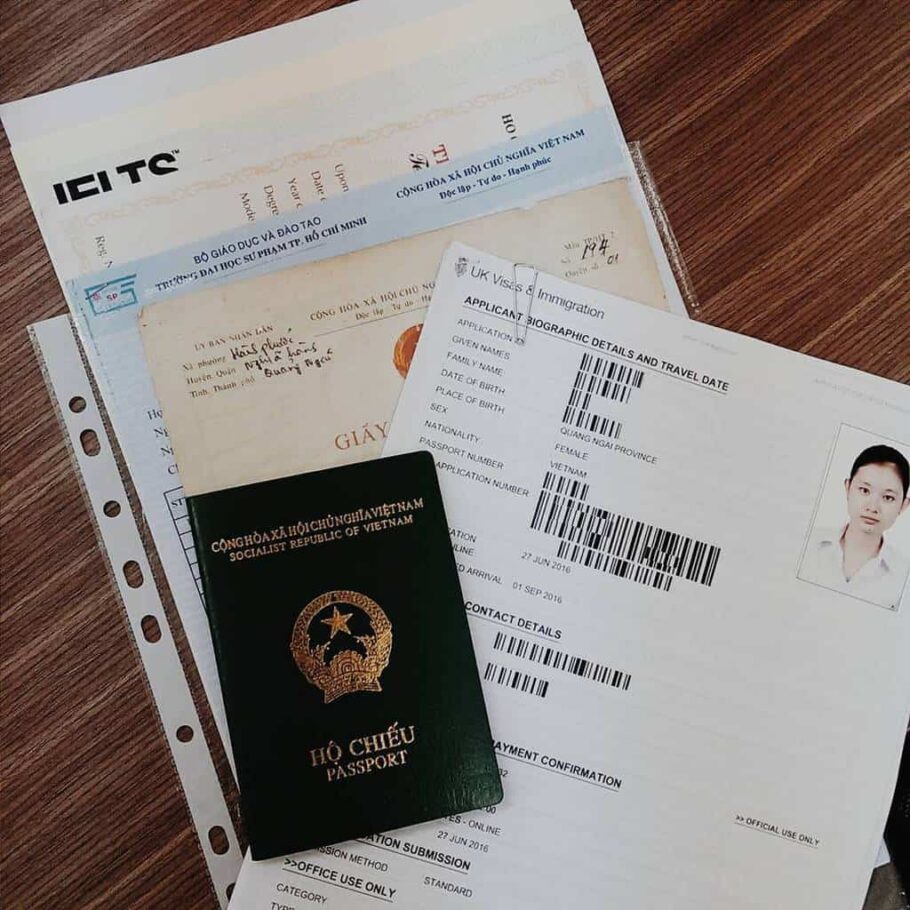
Once eligibility is confirmed, gathering the necessary documents is the next critical phase for a successful Vietnam Visa Extension. This typically includes your original passport with at least six months’ validity remaining from the date of your intended departure, your current valid visa, and a completed application form. You might also need recent passport-sized photographs, proof of onward travel (though this is less common for extensions than initial visa applications), and potentially a letter of sponsorship if you’re on a business visa. The fees associated with a Vietnam Visa Extension vary significantly based on your nationality, the type of visa, and the desired extension duration. These fees are subject to change and should be confirmed with an immigration agent or the nearest Vietnamese embassy/consulate. It’s important to factor these costs into your travel budget, as they can range from moderate to substantial depending on the complexity of your request. Some agents may also charge a service fee, which adds to the overall expense. Transparency regarding all costs upfront is vital to avoid any surprises.
Where to Apply and Processing Times
The application for a Vietnam Visa Extension can be made through several channels. The most common method for tourists already in Vietnam is to use a local travel agency or visa agent specializing in immigration services. These agents act as intermediaries, streamlining the process by handling the paperwork and liaising with the Immigration Department on your behalf. Alternatively, some individuals may choose to apply directly at the Vietnam Immigration Department offices located in major cities like Hanoi, Ho Chi Minh City, or Da Nang, though this option often requires more personal effort and familiarity with local procedures. The processing time for a Vietnam Visa Extension can range from a few working days to a couple of weeks, depending on the urgency of your request, the type of extension, and the current workload of the Immigration Department. It is strongly advised to initiate the extension process well in advance of your current visa’s expiration date to avoid overstay penalties, which can be severe. Expedited services are often available for an additional fee, offering a quicker turnaround if you’re on a tight schedule.
Types of Vietnam Visa Extension Options
The flexibility of a Vietnam Visa Extension often depends on the type of visa you initially obtained and your nationality. Understanding these distinctions is paramount for choosing the most suitable path to prolong your stay. Vietnam’s immigration policies, while generally accommodating, have specific frameworks for different categories of visitors. Whether you’re a tourist captivated by the country’s beauty or a business professional extending your stay for work, there are tailored options available, each with its own set of requirements and benefits.
Tourist Visa Extensions
For the majority of visitors, a tourist visa extension is the primary concern. These extensions are typically granted for periods of 15, 30, or 90 days, aligning with the common durations of initial tourist visas. The ease of obtaining a Vietnam Visa Extension for tourism often hinges on your nationality; citizens from countries with more relaxed visa agreements with Vietnam may find the process smoother. It’s important to note that a tourist visa extension usually maintains the same entry status, meaning if your initial visa was single-entry, an extension typically keeps it that way. This is a crucial detail for travelers planning short excursions out of Vietnam during their extended stay, as they would need a new visa upon re-entry. The general procedure involves submitting your passport, current visa, and an application form to an authorized agent, who then processes it with the Immigration Department. The cost and processing time can vary, but generally, tourist visa extensions are among the more straightforward categories, reflecting Vietnam’s welcoming stance towards international visitors eager to explore its wonders further.
Business Visa Extensions
Professionals and individuals engaging in business activities in Vietnam often require a business visa extension. This category typically offers more flexibility in terms of duration and multi-entry options compared to tourist visas. A key requirement for a business Vietnam Visa Extension is often a letter of sponsorship or an invitation from a Vietnamese company or organization. This sponsorship validates the purpose of your extended stay, indicating that your presence contributes to economic or professional activities within Vietnam. Business visa extensions can be granted for longer periods, often up to six months or even a year, reflecting the longer-term nature of business engagements. The application process is similar to tourist extensions but may require additional documentation proving the business purpose, such as company registration documents or a work permit if applicable. It’s vital for individuals on a business visa to ensure their activities align with the visa’s purpose; engaging in work without proper documentation can lead to complications. Seeking the assistance of an experienced agent is highly recommended for business visa extensions, as they can navigate the specific regulatory requirements and ensure all necessary paperwork is correctly prepared and submitted, facilitating a smooth and compliant extension of your stay for professional reasons.
Other Visa Types and Special Considerations
Beyond tourist and business visas, Vietnam offers various other visa types, each with its own extension possibilities. These include visas for students, investors, journalists, and those visiting family members. Each of these categories has unique requirements for a Vietnam Visa Extension, often necessitating specific supporting documents like enrollment letters for students, investment certificates for investors, or proof of familial relationship for family visitors. For instance, a student visa extension would likely require continued enrollment verification from an accredited Vietnamese educational institution. Similarly, an investor visa extension would depend on the ongoing validity and compliance of their investment activities. It’s also worth noting special considerations for certain nationalities or in specific circumstances, such as humanitarian cases, where immigration authorities may offer discretionary extensions. These situations are less common and typically require direct consultation with the Immigration Department. Furthermore, for individuals who entered Vietnam under a visa exemption policy, extending their stay usually requires applying for a new visa rather than an extension, as their initial entry was not based on a visa. Understanding these distinctions and seeking expert advice is crucial for individuals on non-standard visas to ensure a compliant and successful Vietnam Visa Extension.
Consequences of Overstaying and Prevention
Overstaying your visa in Vietnam can lead to significant complications and penalties, making it crucial to understand the implications and take preventative measures. The Vietnamese government enforces strict immigration laws, and while they are generally welcoming to tourists and business visitors, adherence to visa validity periods is non-negotiable. Many travelers, enamored by Vietnam’s charm, might inadvertently let their visa lapse, only to face unexpected difficulties at their departure. Being aware of the risks and planning your Vietnam Visa Extension proactively is key to avoiding these pitfalls.
Penalties for Overstaying Your Visa
The consequences of overstaying a visa in Vietnam are multi-faceted and can range from monetary fines to more severe actions. For minor overstays, typically a few days, the penalty is usually a per-day fine, which can accumulate quickly. This fine is often paid at the airport immigration counter upon departure. However, for longer overstays, the penalties escalate significantly. Beyond increased fines, individuals may face detention, deportation, and even a ban from re-entering Vietnam for a specified period, or permanently in severe cases. The exact fine amounts and severity of other penalties are subject to the discretion of the immigration officers and the duration of the overstay. It’s also important to note that an overstay can complicate future visa applications for Vietnam and potentially other countries, as it marks a record of non-compliance with immigration laws. This can be particularly problematic for business professionals or frequent travelers who rely on a clean immigration record. The stress and financial burden associated with an overstay are substantial, underscoring the importance of vigilance regarding your visa’s expiry date and initiating your Vietnam Visa Extension well in advance.
Tips for Avoiding Visa Overstay
Avoiding a visa overstay is primarily about awareness and proactive planning. The most fundamental tip is to always know your visa’s expiry date. Upon entry, double-check the stamp in your passport to ensure the departure date is correctly marked and aligns with your expectations. Set multiple reminders on your phone or calendar weeks before your visa is due to expire. Do not rely solely on memory. Secondly, start the Vietnam Visa Extension process early. Immigration departments and agents require time to process applications, and attempting an extension just days before expiry is a recipe for stress and potential overstay. A good rule of thumb is to begin the extension process at least two to three weeks before your current visa expires. Thirdly, if your travel plans are uncertain, opt for a shorter initial visa and then extend if necessary, rather than applying for a long visa you might not fully utilize or forget to extend. Finally, always consult with reputable visa agents or the Vietnamese Immigration Department directly if you have any doubts about your visa status or the extension process. Their expertise can provide clarity and ensure you comply with all regulations, effectively preventing an accidental overstay and ensuring a smooth continuation of your travels in Vietnam.
Emergency Procedures and What to Do If You Overstay
Despite best efforts, sometimes an overstay can still occur due to unforeseen circumstances or misunderstandings. If you find yourself in this situation, it’s crucial to act calmly and responsibly. The first step is to immediately contact a reputable visa agent or seek advice from the Vietnam Immigration Department. Do not attempt to leave the country without addressing the overstay, as this will lead to complications and potential detention at the airport. An agent can often help you navigate the process of paying fines and potentially arranging an exit visa or a last-minute Vietnam Visa Extension, if applicable. Be prepared to pay the accumulated fines, which can be significant depending on the duration of the overstay. It’s also advisable to document any unforeseen circumstances that led to the overstay, as this might be helpful in explaining your situation, although it doesn’t guarantee a waiver of penalties. In some cases, especially for prolonged overstays, you might be required to report to the Immigration Department for an interview and further processing. The key is transparency and cooperation with the authorities. While an overstay is a serious matter, addressing it promptly and professionally can mitigate the negative consequences and facilitate a smoother departure or resolution of your immigration status.
Leveraging Agents for Your Vietnam Visa Extension
For many travelers, navigating the bureaucratic maze of a Vietnam Visa Extension can be a daunting prospect. This is where the expertise of local visa agents becomes invaluable. These specialized agencies offer a streamlined, efficient, and often less stressful alternative to direct application, especially for those unfamiliar with Vietnamese administrative procedures or who prefer to focus on enjoying their trip rather than grappling with paperwork. Leveraging an agent can significantly simplify the process, ensuring compliance with all regulations and a higher chance of a successful extension.
Why Use a Visa Agent?
The primary advantage of using a visa agent for your Vietnam Visa Extension is their specialized knowledge and experience. These agents are well-versed in the latest immigration policies, specific requirements for various visa types, and the nuances of the application process. They can provide accurate advice tailored to your individual circumstances, helping you determine the most suitable extension option and compiling all necessary documents correctly. This expertise minimizes the risk of errors or omissions that could lead to delays or rejection. Furthermore, agents act as an intermediary, handling all communication and submissions to the Vietnam Immigration Department on your behalf. This saves you considerable time and effort, as you avoid multiple trips to government offices and navigating queues. For those who do not speak Vietnamese, an agent also bridges the language barrier, ensuring clear communication with immigration officials. Ultimately, an agent offers peace of mind, allowing you to relax and enjoy your extended stay in Vietnam without the stress of administrative complexities. Their service fee is often a small price for the convenience and assurance they provide in securing your Vietnam Visa Extension.
Choosing a Reputable Agent
Selecting the right visa agent is crucial for a smooth and successful Vietnam Visa Extension. The market has numerous agencies, so due diligence is essential. Start by looking for agents with a strong track record and positive reviews from previous clients. Online forums, expat groups, and travel communities can be excellent resources for recommendations. A reputable agent will be transparent about their fees, outlining all costs upfront without hidden charges. They should also be clear about the expected processing times and any potential challenges specific to your case. Avoid agents who promise unrealistic outcomes or guarantee extensions for ineligible visa types. It’s also wise to check if the agent is officially licensed or recognized by relevant Vietnamese authorities, though this can sometimes be difficult to verify independently. A good indication of reliability is their professionalism in communication, willingness to answer all your questions thoroughly, and their ability to provide a detailed breakdown of the services they offer. Don’t hesitate to contact a few different agents to compare their services, pricing, and responsiveness before making a decision. Your choice of agent can significantly impact the ease and success of your Vietnam Visa Extension.
The Agent-Assisted Application Process
Once you’ve chosen a reputable agent, the agent-assisted Vietnam Visa Extension process typically follows a structured path. First, you’ll consult with the agent to discuss your current visa status, desired extension duration, and any specific requirements. Based on this, the agent will advise you on the necessary documents, which usually include your original passport, current visa, and potentially passport-sized photos. You’ll then submit these documents to the agent. The agent will prepare the application form, ensuring all details are accurate and complete, and then submit it to the Vietnam Immigration Department. During this period, the agent will act as your point of contact, providing updates on your application’s status. Once the extension is approved, your passport, with the new visa stamp or extension sticker, will be returned to the agent, who will then notify you for collection. This entire process, from initial consultation to receiving your extended visa, typically takes several working days to a couple of weeks, depending on the urgency and the Immigration Department’s workload. Throughout this process, the agent minimizes your direct involvement with bureaucracy, making the Vietnam Visa Extension a hassle-free experience.
FAQs
How early should I apply for a Vietnam Visa Extension?
It’s recommended to start the process at least 2-3 weeks before your current visa expires to avoid any rush or potential overstay penalties.
Can all visa types be extended in Vietnam?
Not all visa types are extendable. Tourist visas and business visas are commonly extendable, but visa exemptions often require applying for a new visa rather than an extension. It’s crucial to check your specific visa’s eligibility.
What happens if my Vietnam Visa Extension is denied?
If your extension is denied, you must leave the country before your current visa expires to avoid overstay penalties. In some cases, you might be able to apply for a new visa from a neighboring country.
Is it possible to extend my visa multiple times?
While it’s possible to apply for multiple Vietnam Visa Extensions, the approval depends on your nationality, visa type, and the discretion of the immigration authorities. There may be limitations on the total duration you can stay via extensions.
What are the payment methods for a Vietnam Visa Extension?
Fees for a Vietnam Visa Extension are typically paid in Vietnamese Dong (VND) to your chosen agent or directly at the Immigration Department. Some agents may accept foreign currencies or online payments.
Conclusion
Securing a Vietnam Visa Extension is a manageable process, essential for those wishing to prolong their enchanting journey through Vietnam. By understanding the different visa types, adhering to documentation requirements, being mindful of deadlines, and considering the valuable assistance of reputable visa agents, travelers can smoothly navigate the immigration landscape. Proactive planning and awareness of potential pitfalls like overstaying are key to ensuring a compliant and uninterrupted experience, allowing you to fully immerse yourself in the rich culture and breathtaking landscapes that Vietnam so generously offers.