Traveling to Vietnam has become an enticing prospect for many globetrotters seeking adventure, culture, and delectable cuisine. In this bustling land of breathtaking landscapes, visitors can find themselves navigating through lively cities like Hanoi and Ho Chi Minh City or relishing the tranquility of Ha Long Bay’s serene beauty. With the rise of online services, understanding how to apply for a Vietnam tourist visa online has never been more vital for travelers aiming to explore this captivating country with ease.
Introduction: Streamlining Your Vietnam Tourist Visa Application Online

Securing a tourist visa to Vietnam can be a daunting task for prospective travelers, especially when it involves lengthy paperwork and visits to embassies. However, thanks to the introduction of the e-visa system, applying for a Vietnamese tourist visa has become incredibly convenient. This online process allows eligible tourists to obtain their visas from the comfort of their homes and quells the anxieties surrounding in-person applications at embassies or consulates.
With the implementation of the e-visa, the Vietnamese government aims to attract more international travelers while simplifying the entry process. This comprehensive guide will help you navigate the ins and outs of the e-visa application process. You will learn everything you need to know about eligibility, required documents, payment methods, common pitfalls to avoid, and more.
Eligibility Requirements: Who Can Apply for a Vietnam Tourist Visa Online?

To begin your journey towards unlocking the wonders of Vietnam, it’s crucial first to understand the eligibility criteria for obtaining an e-visa. Not every traveler can apply for a Vietnamese e-visa, so being informed about the requirements is essential for a smooth application process.
The Nationality Factor
One of the primary considerations for eligibility revolves around nationality. Citizens from a specific list of countries can apply for an e-visa, which is subject to change. Before diving into the application process, verify if your nationality qualifies for the e-visa by checking the official government website.
Purpose of Travel
The e-visa is strictly designated for tourism purposes only. Therefore, if you’re planning to enter Vietnam for business, work, study, or any other reason, you’ll need to pursue alternative visa options through a Vietnamese embassy or consulate. If your trip is purely recreational, the e-visa is tailor-made for your travel plans.
Entry Points Consideration
Another significant requirement involves the entry points that e-visa holders must use. E-visas allow entry through designated international airports, land border crossings, and seaports. Make sure to check if your intended entry point aligns with these specified locations to avoid unforeseen complications upon arrival.
Step-by-Step Guide: The Online Vietnam Tourist Visa Application Process
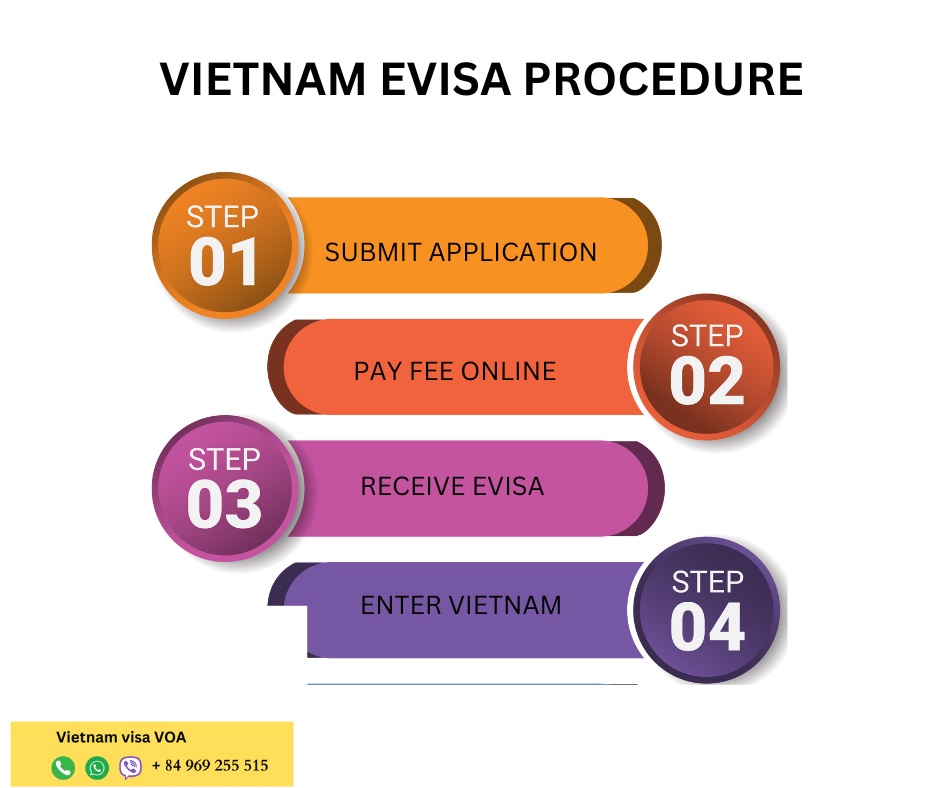
Now that we’ve established eligibility, let’s dive into the detailed steps you need to take to successfully apply for a Vietnam tourist visa online.
Accessing the Official E-Visa Portal
The first step is to access the official Vietnamese e-visa portal. It’s crucial to ensure that you are visiting the genuine website operated by the Vietnam Immigration Department. Avoid using generic search engines that may lead you to unofficial sites designed to mislead travelers and charge inflated application fees. Look for websites ending in .gov.vn, as they are often affiliated with the government.
Reviewing Instructions and Requirements
Before filling out the online application form, read all the provided instructions and requirements thoroughly. This step helps you understand the various components needed, such as passport validity, photo specifications, entry and exit points, payment methods, processing times, and terms and conditions. Being well-informed minimizes errors later in the application process.
Gathering Necessary Documents and Information
Before starting your application, gather the following critical items:
- A clear, scanned copy of your passport’s information page.
- A digital passport-sized photo meeting the specific requirements outlined on the e-visa portal.
- Your current contact information, including address and phone number.
- Details about your travel itinerary, accommodation, and the purpose of your visit.
Being organized and prepared will make filling out the application significantly smoother.
Required Documents for a Successful Online Visa Application
Having the correct documentation is key to ensuring a successful visa application. Here’s what you need to have on hand before submitting your e-visa application.
Valid Passport and Its Conditions
Your passport serves as the central document in the visa application process. First and foremost, ensure that your passport is valid for at least six months beyond your intended date of entry into Vietnam. Additionally, it should contain at least two blank pages for potential stamps upon entry and exit.
Passport-Sized Photo Specifications
When uploading your passport-sized photo, be mindful of the specific dimensions and quality required. Most e-visa portals outline clear guidelines regarding background color, image size, and other details. Ensure your photo complies with these regulations to prevent delays or rejection of your application.
Proof of Travel Itinerary
In addition to your identification documents, you may be asked to submit proof of your travel itinerary. This could include flight bookings, hotel reservations, and the purpose of your visit. Accurately providing this information helps establish the legitimacy of your travel intentions.
Payment Methods and Visa Fees for Online Applications
Once you’ve filled out the application form and uploaded the necessary documents, the next step is to handle the payment. Understanding the payment methods and visa fees is crucial to completing your application successfully.
Accepted Payment Methods
When applying for your Vietnam tourist visa online, you’ll typically encounter several accepted payment methods. Credit cards and debit cards are commonly used for transactions on the official portal. Ensure you have your card details ready, and always choose secure payment methods to safeguard your financial information.
Visa Fee Structure
The visa fee can vary depending on several factors, including your nationality, the length of stay, and any additional services you might require. Confirm the exact fee applicable to your situation by referring to the official e-visa portal. Keep in mind that paying the correct fee upfront is essential for application processing.
Refund Policies and Payment Security
Although the e-visa application process is generally straightforward, uncertainties may arise. Familiarize yourself with the refund policies in case of application denial or errors during payment. Always use secure connections when making payments to protect against potential fraud.
Processing Time: What to Expect After Submitting Your Application
After you’ve submitted your application and completed the payment, understanding the processing time becomes essential for planning your trip adequately.
Estimated Processing Times
Processing times for e-visa applications can vary based on several factors, but applicants can usually expect a timeframe between three to five business days. It’s wise to apply well in advance of your planned travel dates to evade any last-minute issues.
Tracking Your Application Status
Most e-visa portals allow you to track your application’s status online. By regularly checking, you can stay updated on any developments concerning your visa approval, helping you plan accordingly.
Factors Influencing Processing Delays
While the e-visa system has streamlined the visa application process, certain factors can still lead to delays. These may include high application volumes during peak seasons or discrepancies in the applicant’s submitted documents. To mitigate such risks, double-check that all information and documents are correct and complete before submission.
Common Mistakes to Avoid When Applying for Your Vietnam Tourist Visa Online
Navigating the e-visa application process can be tricky, and avoiding common pitfalls can save you time and frustration. Recognizing these mistakes beforehand can simplify your experience.
Ignoring Eligibility Requirements
One of the most frequent errors occurs when travelers submit applications without confirming their eligibility. Always review the official eligibility criteria for the e-visa, as applying without meeting the requirements can lead to immediate rejection.
Incomplete or Incorrect Information
Filling out the application form accurately is paramount. Small typographical errors or omissions can cause delays or denials. Carefully review each section before submitting your application to ensure accuracy.
Neglecting Document Specifications
Failure to comply with the specifications for required documents, such as passport photos and file formats, is another common mistake. Thoroughly research the guidelines listed on the e-visa portal, ensuring your documents adhere to the outlined standards.
Checking Your Visa Status Online: A Simple Guide
Once your application has been submitted, tracking its status is both easy and essential for your travel plans. Knowing how to verify your visa status helps you stay informed about your travel arrangements.
Utilizing the Official E-Visa Portal
To check your visa status, return to the official e-visa portal where you initially applied. Most portals provide a section specifically for tracking applications. Input any necessary identifiers, such as your application reference number and personal details, to access your status.
Understanding Approval Notifications
Upon approval of your e-visa, you will receive an electronic confirmation sent to the email address provided during the application process. Ensure that you keep this notification on hand, either in printed form or saved on your devices, as it may be requested upon entry into Vietnam.
What to Do If Your Application Is Denied
If your visa application is denied, the e-visa portal should provide a brief explanation for the decision. Review the reasons carefully, and if appropriate, consider reapplying after addressing any issues that led to the denial. Consulting with professionals at a Vietnamese embassy or consulate may also provide guidance moving forward.
e-Visa vs. Visa on Arrival: Understanding the Differences for Online Applications
Understanding the differences between the e-visa and visa on arrival options is crucial for tourists planning their trips to Vietnam. Both avenues offer distinct advantages and challenges.
E-Visa Advantages
The e-visa system offers numerous benefits, primarily its convenience and accessibility. Travelers can apply from anywhere with an internet connection, eliminating the need for physical visits to embassies. Moreover, e-visas usually provide a straightforward application process and quicker processing times compared to traditional visa methods.
Visa on Arrival Insights
On the other hand, the visa on arrival option requires travelers to obtain an approval letter before arriving at the airport in Vietnam. While this might offer some flexibility for those who prefer spontaneity, it can also be more complicated as it entails additional steps, such as securing the approval letter and additional processing at the airport.
Choosing the Right Option for Your Trip
Determining which visa type suits your travel style hinges on your itinerary and preferences. For travelers with clear plans and scheduled dates, the e-visa proves advantageous. However, if you opt for a spontaneous journey and anticipate possible changes in your schedule, exploring the visa on arrival may be worth considering.
Tips for a Smooth and Efficient Online Visa Application Experience
Navigating the e-visa application process can be seamless with the right strategies in place. Follow these tips for an efficient experience.
Begin the Application Early
Start the application process well ahead of your travel dates to accommodate any unexpected delays or issues that may arise. This proactive approach reduces stress and provides ample time for troubleshooting.
Double-Check All Information
Before submitting your application, take the time to meticulously review all entered information and uploaded documents. Ensuring accuracy reduces the chances of delays or rejections.
Stay Informed About Changes
Visa regulations and procedures can evolve, so it’s important to stay updated on any changes regarding the e-visa system. Regularly check the official e-visa portal for updates related to eligibility, fees, or processing times.
Conclusion
Navigating the world of Vietnamese e-visas can indeed seem intimidating at first glance, but understanding the application process transforms it into a manageable and even exciting endeavor. By staying informed about eligibility requirements, preparing necessary documents, and following a systematic application process, travelers can enjoy a hassle-free experience as they set off to explore Vietnam’s enchanting landscapes and rich culture. Whether you’re marveling at the ancient temples, savoring street food delicacies, or basking in the sun on idyllic beaches, your journey begins with a simple click to apply for your Vietnam tourist visa online. Embrace the adventure that awaits you in this magnificent destination!