Understanding the Vietnam Visa Requirements for US travelers is essential before embarking on your journey to this enchanting Southeast Asian country. With its rich culture, mouth-watering cuisine, and stunning landscapes ranging from mountains to beaches, Vietnam has become an increasingly popular destination among American tourists. However, the visa regulations can be intricate and vary based on nationality and purpose of visit. This comprehensive guide will help you navigate the complexities of obtaining a visa for Vietnam, ensuring your trip is as smooth as possible.
Vietnam Visa Requirements 2024: A Comprehensive Guide for Foreign Nationals
As international travel continues to evolve in the wake of COVID-19, understanding the current Vietnam Visa Requirements is more critical than ever. Vietnam’s government has implemented various regulations in response to health concerns while balancing the need to welcome tourists back into the country. In 2024, travelers from various countries will find that some restrictions have eased, but visa requirements remain vital to ensure compliance with immigration laws.
Entering Vietnam involves understanding which categories of visas are available, the application procedures for each type, and the specifics related to different nationalities. This section provides an overview of the landscape for all foreign nationals looking to explore Vietnam.
Navigating visa requirements can feel overwhelming at first glance, especially given the variety of options available. However, with thoughtful planning and a clear understanding of the types of visas offered, you can confidently embark on your Vietnamese adventure.
Current Visa Regulations and Updates
Visa regulations in Vietnam can change frequently, influenced by various factors such as international relations and health guidelines. To stay informed about the latest updates, it’s advisable to monitor official announcements from the Vietnam Immigration Department and reputable travel agencies.
Travelers should also consider signing up for alerts or newsletters from these organizations, providing real-time information on any changes regarding visa policies, entry requirements, and other travel advisories.
COVID-19 has significantly impacted global travel, leading to temporary visa exemptions for certain nationalities, along with strict health protocols upon arrival. Keeping abreast of such changes may save travelers a great deal of frustration and potential delays at their point of entry.
Understanding Different Visa Categories
Vietnam offers a range of visa types tailored to meet various travel purposes, including tourism, business, work, and study. Each visa category comes with specific conditions that applicants must fulfill to secure their entry into the country.
The most common visa types include tourist visas, business visas, work visas, student visas, diplomatic visas, and visa exemptions for eligible nationalities. Understanding the distinctions between these categories is crucial in selecting the right option for your travel objectives.
Choosing an appropriate visa type isn’t just about fulfilling legal obligations; it can also shape the experiences you encounter while exploring Vietnam. For instance, a tourist visa might limit your activities compared to a multi-entry business visa, which allows for flexibility in travel plans while conducting business.
Vietnam Visa Exemptions: Who Doesn’t Need a Visa?
Some travelers are fortunate enough to enjoy visa exemptions when entering Vietnam. This means they can enter the country without having to go through the usual visa application process, significantly simplifying their travel experience.
Visa exemptions apply primarily to citizens of specific nations who can enter Vietnam for short stays, typically for tourism or business purposes. While it may seem like a small detail, understanding whether you qualify for a visa exemption could impact your entire travel itinerary.
For those who do require a visa, knowing that there are alternatives can provide peace of mind and make the overall planning process less stressful.
Countries Eligible for Visa Exemption
Travelers from several countries can enter Vietnam without a visa for periods ranging from 14 to 90 days, depending on bilateral agreements. Among these, citizens from countries in Southeast Asia generally enjoy longer stays without a visa due to regional agreements promoting tourism and commerce.
However, it’s important for travelers to check the latest information about visa exemption eligibility carefully, as policies can shift and may not apply uniformly to every individual. Factors affecting eligibility can include the purpose of travel and overall political relations between Vietnam and foreign nations.
Be mindful that even if a visa exemption applies, travelers must adhere to all other entry requirements set forth by the Vietnamese government, such as passport validity and proof of onward travel. Always double-check the specifics to avoid unexpected complications.
Duration of Stay Without a Visa
The duration of stay permitted without a visa varies depending on the traveler’s nationality. While some nationalities can stay for up to 90 days, others may only qualify for shorter visits. It is crucial to respect the limits imposed by the visa-free policy to avoid potential fines or penalties.
If you plan to stay longer than the allowed duration, it’s recommended to apply for a visa in advance to ensure compliance with immigration regulations. Familiarizing yourself with the terms of visa exemption will allow for a seamless experience while in the country.
Vietnam Visa Types: Choosing the Right Visa for Your Trip
Selecting the correct visa type is essential for ensuring a successful travel experience to Vietnam. Each visa type serves a unique purpose, and understanding the differences is critical for both short-term and long-term travelers.
The main categories of visas include tourist visas, business visas, work permits, student visas, and diplomatic visas. Choosing the right option will depend largely on your travel intentions and how long you plan to stay.
Each visa category has distinct application processes, so knowing what to expect can help you better prepare.
Tourist Visa (DL): Exploring Vietnam’s Wonders
The tourist visa is the most commonly sought-after visa for travelers visiting Vietnam for leisure purposes. Generally valid for either single or multiple entries, tourist visas are issued for varying durations, often ranging from 30 to 90 days.
When applying for a tourist visa, travelers need to submit a series of documents including a valid passport, passport-sized photos, and a completed visa application form. The processing time can vary, so it’s best to apply well in advance of your planned departure date to avoid last-minute stress.
For those who wish to explore multiple regions throughout Vietnam, opting for a multiple-entry tourist visa can enhance your travel experience. This option grants you greater flexibility and allows you to venture beyond the major cities.
Business Visa (DN): For Professional Engagements
Business visas cater to individuals traveling to Vietnam for professional reasons, such as attending conferences or meetings, conducting market research, or establishing commercial ties. Like tourist visas, business visas can be issued for single or multiple entries and can last up to one year, depending on the nature of the engagement.
The application process for a business visa may be more complex than that of a tourist visa, often requiring an invitation letter from a Vietnamese company or an organization outlining the purpose of the visit. Ensuring that all necessary documentation is submitted will facilitate the approval process.
Obtaining a business visa allows foreigners to immerse themselves in Vietnam’s dynamic economy and strengthen cross-cultural collaborations that benefit both parties.
Work Visa (LD): Long-Term Employment Opportunities
A work visa is necessary for foreigners seeking long-term employment in Vietnam. To obtain a work visa, one must first secure a work permit from the Ministry of Labor, Invalids, and Social Affairs (MOLISA). This process can be rigorous, as it often requires local sponsorship from an employer and compliance with labor laws.
Foreigners intending to work in Vietnam should familiarize themselves with the stipulations surrounding work visas, including salary requirements and employment contracts. Proper communication with your prospective employer can provide clarity on what is needed to achieve compliance.
By securing a work visa, you open doors to enriching career opportunities while contributing to Vietnam’s burgeoning workforce.
Vietnam Visa Requirements for US Citizens: Specific Guidelines
For U.S. citizens planning to visit Vietnam, understanding the unique visa requirements is paramount for a hassle-free experience. U.S. travelers are required to possess a valid visa to enter the country, whether for tourism, business, or other purposes.
While the pathway to obtaining a visa may seem daunting, resources are readily available to assist U.S. citizens in completing the process efficiently.
Application Options Available for US Citizens
U.S. citizens have two primary options for obtaining a visa: Visa on Arrival (VOA) and E-Visa. Each option offers distinct advantages suited to different travel preferences.
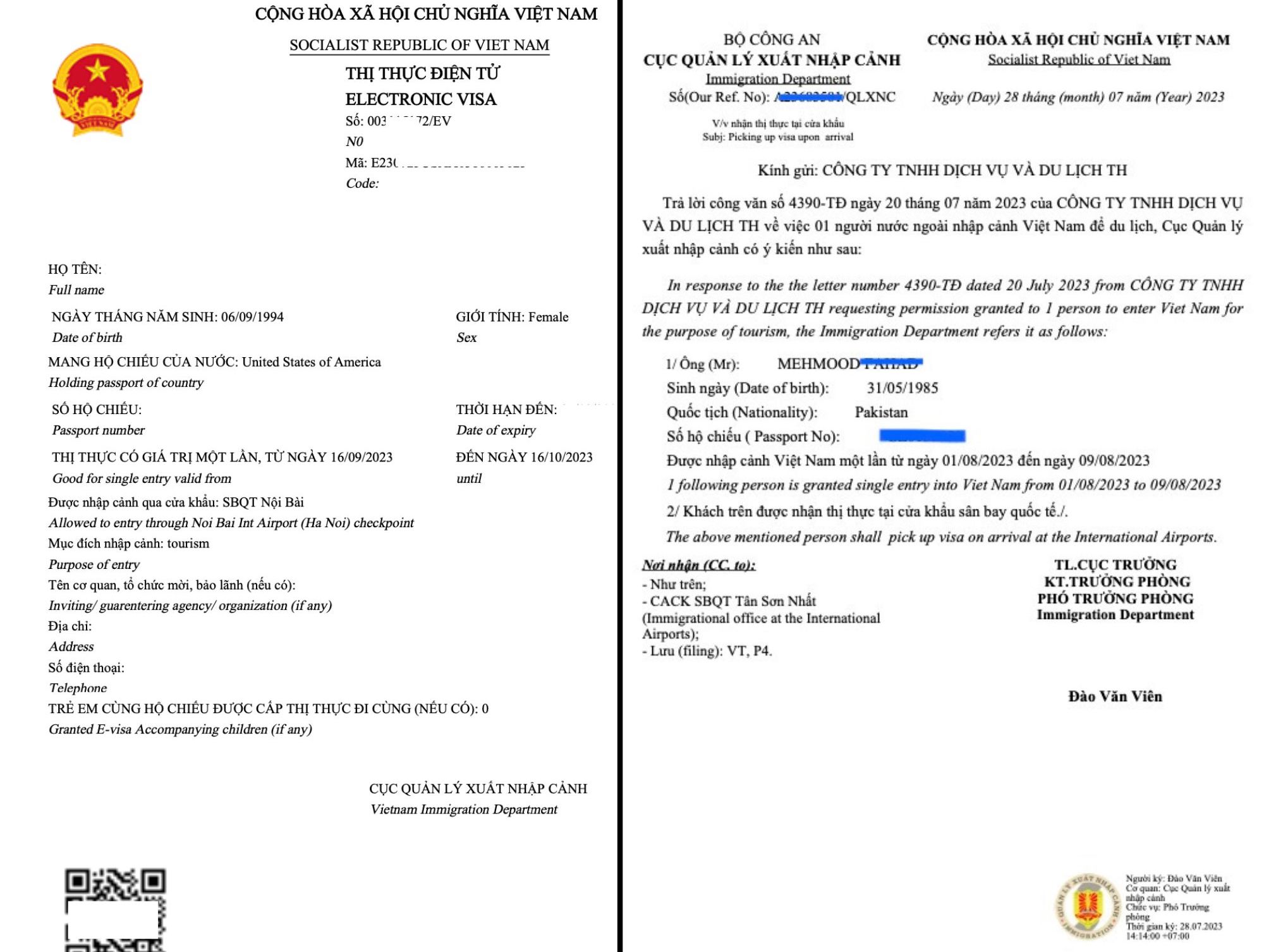
The E-Visa is a convenient online alternative that allows travelers to submit an application electronically. Once approved, the E-Visa can be printed and presented upon arrival, streamlining the entry process.
On the other hand, the Visa on Arrival is ideal for those arriving by air. Travelers must first apply online for an approval letter through a reputable agency, which can then be exchanged for a visa upon landing in Vietnam.
Both options provide effective pathways for securing a visa, depending on individual circumstances and travel plans.
Important Considerations for US Travelers
While applying for a visa, U.S. citizens must ensure that their passports are valid for at least six months beyond their intended departure date from Vietnam. Additionally, travelers should have at least one blank page in their passports for the visa stamp.
U.S. citizens should also be prepared to provide additional documentation, such as photographs and a detailed itinerary outlining their travel plans. Having all paperwork organized ahead of time can help minimize delays during the application process.
In the event that travelers need to extend their stay beyond the initial visa validity period, they can seek an extension through local immigration offices in Vietnam. However, extensions are discretionary and may not always be granted.
Fees and Processing Times
Visa fees and processing times for U.S. citizens can vary based on the method of application. Typically, E-Visas involve lower fees and shorter processing times than VOA, making them a popular choice for many travelers.
It’s advisable for U.S. citizens to factor in these elements when planning their trip to Vietnam, ensuring they account for any potential delays associated with visa approvals.
Vietnam Visa Requirements for UK Citizens: Application Process and Documents
UK citizens also face visa requirements when entering Vietnam, necessitating careful attention to the application process. As with U.S. travelers, the options available for UK nationals include both VOA and E-Visa.
Understanding the specific steps involved will enable UK citizens to navigate the visa application effectively.
Visa Application Choices for UK Citizens
Similar to U.S. citizens, UK travelers can choose between the E-Visa and Visa on Arrival as their preferred methods of acquiring a visa. Each option has unique benefits tailored to different travel styles.
The E-Visa stands out for its convenience, allowing travelers to complete the entire application process online without needing to visit an embassy or consulate. Once approved, the E-Visa allows entry into Vietnam through designated checkpoints.
Conversely, the Visa on Arrival requires pre-approval through a reliable agency, followed by document presentation upon arrival at the airport. While potentially more cumbersome, it remains a viable option for travelers who prefer to settle their visa arrangements upon reaching Vietnam.
Required Documentation for UK Citizens
When applying for a visa, UK citizens must submit several documents, including:
- A valid passport with at least six months’ validity beyond the intended departure date.
- Recent passport-sized photographs adhering to specific guidelines.
- A completed visa application form indicating travel intentions and duration.
Proper documentation is essential to avoid unnecessary delays or complications during the application process.
UK travelers should also keep abreast of any additional requirements stipulated by the Vietnamese government based on special circumstances, such as public health measures.
Fees and Processing Information
UK citizens can expect visa fees to vary based on the type of visa applied for and the processing speed requested. E-Visas generally carry lower fees compared to VOA, making them an attractive option for many travelers.
Processing times for E-Visas may also be faster, which is beneficial for those planning last-minute trips to Vietnam.
To mitigate unexpected issues, UK citizens should consider checking the relevant visa fees and processing times ahead of submitting their applications.
Vietnam Visa Requirements for EU Citizens: A Country-by-Country Breakdown
Citizens from the European Union (EU) enjoy varying visa requirements when entering Vietnam, reflecting the nuances of international relations and agreements between Vietnam and individual EU countries.
This section will break down the visa requirements by specific countries within the EU, elucidating the conditions under which travelers may enter Vietnam.
General Visa Requirements for EU Nationals
Most EU citizens require a visa to enter Vietnam, although some countries enjoy visa exemptions for short stays. EU nationals should conduct research concerning their country’s specific status in relation to Vietnam’s visa policies.
Countries such as Germany, France, and Italy generally require visas, while citizens from other nations may have the luxury of entering visa-free for limited periods.
Regardless of nationality, all EU travelers should ensure their passports meet the standard validity criteria of at least six months beyond the intended departure date from Vietnam.
Country-Specific Visa Policies
Countries such as Spain and Portugal require visas for their citizens, while nations like Poland and Hungary recently established bilateral agreements with Vietnam allowing for visa exemptions for short tourism-related stays.
To provide a comprehensive overview, travelers should consult the latest information from the Vietnam Immigration Department or reliable sources to clarify their individual visa needs.
Navigating Visa Applications for EU Residents
Depending on the selected visa type, EU citizens can pursue the same options available to U.S. and UK citizens—namely, E-Visas and Visa on Arrival. Both options offer distinct pathways to obtaining a visa, with clear requirements for each.
Understanding which option best aligns with personal travel preferences is essential for ensuring a smooth entry into Vietnam. Whether you choose to apply online or opt for the Visa on Arrival, being well-versed in the application process will serve as a significant advantage during your travels.
Vietnam Visa on Arrival (VOA): Is It Right for You?
The Visa on Arrival (VOA) is an appealing option for many travelers, especially those flying into Vietnam. However, it’s essential to weigh the pros and cons of this option to determine whether it aligns with your travel plans and expectations.
Understanding the intricacies associated with the VOA process is crucial for ensuring a seamless entry into Vietnam.
How the Visa on Arrival Works
The VOA process begins with travelers applying for an approval letter through trusted visa agents or travel agencies. This letter grants permission to obtain a visa upon arrival at designated Vietnamese international airports.
Upon arrival, travelers must present the approval letter, their passport, passport-sized photos, and stamping fees to receive the actual visa.
This method is particularly suitable for travelers who may not want to commit to a fixed itinerary or who prefer to finalize their visa arrangements upon reaching Vietnam.
Pros and Cons of Using Visa on Arrival
While VOA offers flexibility, it’s not without its challenges. On the positive side, VOA eliminates the need for extensive paperwork ahead of time, allowing travelers to apply for their visa conveniently from wherever they are.
However, there are also drawbacks to consider. One significant con is that the VOA is exclusively available for travelers arriving by air, limiting options for those entering Vietnam via land borders or seaports. Furthermore, lines at the VOA desks can be lengthy during peak seasons, leading to potential delays upon arrival.
Assessing the pros and cons of utilizing VOA will help travelers make informed decisions that serve their best interests.
Who Should Choose Visa on Arrival?
The Visa on Arrival may be the right choice for travelers with flexible schedules who are comfortable navigating the airport process once they arrive. If you’re confident managing various documents and taking into account potential wait times, VOA can be a practical solution.
However, travelers seeking a more predictable entry experience may want to consider the E-Visa route, which offers clarity and assurance before departing for Vietnam. Ultimately, the decision hinges upon personal preferences and comfort levels with the respective processes involved.
E-Visa for Vietnam: A Convenient Online Option
The E-Visa is gaining traction among travelers due to its streamlined online application process and ease of access. Embracing modern technology, the E-Visa is designed to simplify the entry process for visitors to Vietnam.
Understanding how the E-Visa works and its benefits can enhance your travel experience and provide peace of mind.
How to Apply for an E-Visa
Applying for an E-Visa is a straightforward endeavor. Travelers can complete the entire application process online, requiring only basic personal information, passport details, and a few supporting documents, such as a photograph.
Once the application is submitted, travelers typically receive a confirmation email followed by another email containing the approved E-Visa. Upon receiving the electronic visa, it can be printed and presented upon arrival in Vietnam.
The online nature of the E-Visa system reduces the hassle associated with in-person appointments and enhances convenience for travelers.
Advantages of the E-Visa
One of the main advantages of the E-Visa is the predictability it offers; travelers know they have secured their visa before embarking on their journey. This sense of security alleviates stress, allowing visitors to focus on planning their itinerary and immersing themselves in Vietnamese culture.
Additionally, E-Visas cover a wider range of entry points than VOA, with acceptance at multiple airports, land borders, and seaports. This makes it a versatile option for those exploring various ways to enter the country.
Potential Limitations of the E-Visa
Despite its numerous benefits, the E-Visa does come with certain limitations. Firstly, it is available solely for short-term visits, typically lasting for 30 days with a single entry. Therefore, travelers planning extended stays or having multi-entry needs may need to explore alternative options.
Furthermore, while the application process is user-friendly, occasional technical issues can arise, leading to delays in receiving the approved visa. Staying vigilant and allowing ample time for processing can mitigate these challenges.
Applying for a Vietnam Visa: Step-by-Step Instructions and Common Mistakes to Avoid
Securing a visa for Vietnam involves following precise steps that can vary based on the chosen visa type. Outlining these steps ensures travelers approach the application process systematically and reduces the likelihood of errors.
Being aware of common pitfalls can further streamline the experience and enhance the chances of successful visa acquisition.
Step-by-Step Application Procedures for Different Visa Types
- Determine your visa type: Reflect on the purpose of your visit, whether for tourism, business, or work, and select the appropriate visa type accordingly.
- Gather required documents: Ensure all necessary documents are compiled, such as your passport, recent photographs, and any supporting letters required, such as invitation letters for business visas.
- Complete the application: Fill out the visa application form accurately, paying attention to details like passport numbers and travel dates.
- Submit your application: If applying for an E-Visa, use the official website to submit your application. For Visa on Arrival, work with a reputable agency to obtain your approval letter.
- Pay the necessary fees: Make sure to remit payment for the visa application, which may vary based on processing speed and visa type.
- Await approval: Track the status of your application and prepare any additional documents if requested.
- Receive your visa and review: Upon receipt of your visa, ensure that all details, such as name and dates, are accurate before travel.
Common Pitfalls to Avoid
Travelers should be cautious about common mistakes that could jeopardize their visa applications. One primary concern is failing to check the validity of their passport, which may result in denial of entry.
Another frequent error involves misreading application instructions, leading to incomplete submissions or inaccuracies. Taking the time to double-check all forms and documents can save considerable hassle.
Neglecting to apply well in advance of travel or overlooking processing times can create undue pressure and lead to missed flight connections. Allowing for sufficient lead time helps ensure a more relaxed travel experience.
Final Steps Before Departure
Before heading off to Vietnam, travelers should confirm that they have all necessary documentation organized and accessible during their travels. Double-checking visa approvals, passport validity, and any COVID-19-related requirements can provide an extra layer of reassurance.
By adopting a proactive approach to visa applications and remaining vigilant against common pitfalls, travelers can focus on enjoying the myriad attractions awaiting them in Vietnam.
Extend Your Vietnam Visa: Options and Procedures for Staying Longer
Sometimes, travelers find themselves captivated by Vietnam’s charms and wish to extend their stay. Fortunately, there are procedures in place for those seeking to prolong their time in the country.
Understanding the nuances of extending a Vietnam visa will empower travelers to take their time exploring all that the nation has to offer.
Procedures for Visa Extensions
Extending a visa typically involves approaching local immigration offices in Vietnam to file an extension request. Depending on the visa type, the extension process may differ slightly.
For tourist visas, travelers can apply for an extension through designated immigration offices, where they will need to submit their passport, a completed visa extension form, and any applicable fees. The process generally takes a few days, so it’s wise to start early to avoid exceeding the visa’s expiration date.
Requirements for Extension Requests
Travelers seeking extensions should be prepared to explain their reasons for wishing to stay longer, which can include unforeseen circumstances, travel delays, or newfound interests in the region.
The immigration office has discretion over whether to grant the extension, taking into consideration the individual’s situation and adherence to visa regulations during their stay.
It’s advisable for travelers to remain respectful and patient during this process, as local customs and standards of service may differ from what they are accustomed to in their home countries.
Alternatives to Extending Your Visa
In some cases, travelers may find that extending their current visa isn’t feasible, prompting them to consider alternative solutions. Leaving Vietnam and re-entering on a new visa may be an option for those whose itineraries allow for it.
Consulting with local immigration experts or travel agencies can provide valuable insights into the best course of action for extending a stay legally and efficiently.
Conclusion
Navigating Vietnam Visa Requirements for US, UK, EU, and other nationals can initially appear daunting, but understanding the intricacies of the application process enables travelers to prepare effectively for their journeys.
As Vietnam continues to grow as a tourist destination, staying informed about visa options and requirements becomes increasingly vital. By choosing the appropriate visa type, avoiding common pitfalls, and knowing how to extend a stay if desired, hopeful travelers can fully immerse themselves in the captivating beauty and rich culture of Vietnam while ensuring compliance with local regulations.
With proper planning and foresight, your adventure in Vietnam can be filled with unforgettable memories, enriching experiences, and opportunities for connection—enabling you to appreciate all that this remarkable country has to offer.