Planning a mesmerizing trip to Vietnam in 2024? One of the most crucial aspects to factor in is the visa. Understanding the Vietnam Visa Fees 2024: Costs for Different Nationalities is essential for budgeting your trip and ensuring a smooth entry into this Southeast Asian gem. This comprehensive guide breaks down the costs for different nationalities, exploring the various visa options available and outlining any potential hidden expenses.
Vietnam Visa Fees 2024: A Comprehensive Guide

As travelers gear up for their journeys to Vietnam, understanding visa requirements and associated fees becomes paramount. With its rich culture, stunning landscapes, and hospitable people, Vietnam has become one of the hottest travel destinations in recent years. However, navigating the logistics of obtaining a visa can seem daunting.
From tourist visas to business permits, each visa type comes with its own set of requirements and fees. In 2024, these fees are structured to accommodate a variety of foreign nationals, taking into account their unique travel needs and circumstances. By delving deeper into the specifics of Vietnam’s visa policies, travelers can prepare adequately and avoid unnecessary surprises upon entry.
Navigating the Visa Landscape
Vietnam’s visa landscape can be intricate, especially with multiple visa types available. Whether embarking on a leisurely vacation or a business endeavor, choosing the right visa is critical. Each visa type is tailored to meet the needs of different travelers, enabling them to engage in their intended activities legally and securely.
Understanding the purpose of your visit will help you determine the best visa option. Tourist visas cater primarily to travelers wishing to experience Vietnam’s breathtaking scenery and vibrant culture, while business visas focus on professionals attending meetings and conferences.
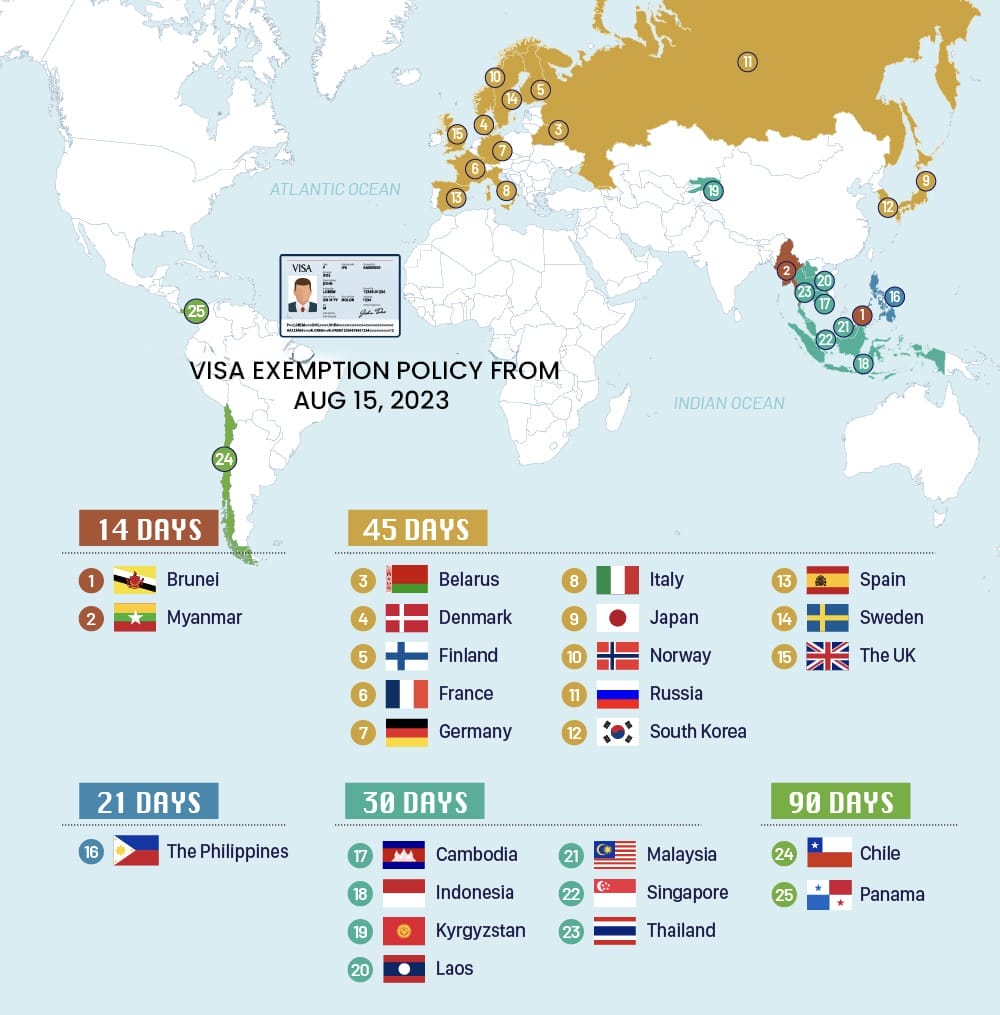
Keep in mind that some nationalities may enjoy visa exemptions or simplified processes, making it easier to embark on their Vietnamese adventure. Nevertheless, for many, applying for a visa remains an essential step in preparing for their journey.
Importance of Staying Updated
Visa regulations can change frequently, influenced by diplomatic relations and evolving government policies. Thus, staying informed about the latest updates to Vietnam’s visa requirements is crucial for all travelers. It’s advisable to regularly check official government sources, such as the Vietnam Immigration Department’s website, for any changes.
Additionally, connecting with fellow travelers through online forums or social media groups can provide valuable insights and firsthand experiences regarding visa applications. By sharing information and tips, travelers can enhance their understanding and ensure a seamless visa application process.
Understanding Vietnam Visa Costs: An Overview for 2024
The first step in preparing for a trip to Vietnam is to comprehend the various visa costs involved. The overall expense consists of multiple elements, including service fees charged by agencies, stamping fees mandated by the government, and potential additional charges depending on the applicant’s nationality or application method.
Understanding these components will allow travelers to budget effectively and prevent unforeseen expenses from derailing their plans. As we break down the fees further, you’ll gain clarity on what to expect during your visa application process.
Components of Vietnam Visa Fees
Vietnam’s visa fee structure is divided into two primary components: the service fee and the stamping fee. The service fee is applicable when engaging an agency to assist with the visa application, which can expedite the process but may also incur additional costs. This fee varies significantly based on the agency’s reputation, processing speed, and the services provided.
Conversely, the stamping fee is a mandatory charge payable to the Vietnam Immigration Department, either upon arrival in Vietnam (for those opting for a Visa on Arrival) or when collecting an e-visa. These charges are fixed and standardized by the Vietnamese government, regardless of your nationality.
Budgeting for Hidden Expenses
When planning your budget for the trip, it’s important to consider not only the direct visa fees but also any potential hidden costs. For example, travelers may need to pay for passport-size photographs, transportation to the embassy or consulate, or other miscellaneous expenses that could arise throughout the application process.
Calculating these additional costs in advance allows travelers to have a more accurate estimate of their total expenses. Furthermore, maintaining some flexibility in your budget can alleviate stress should unexpected fees arise.
Impact of Nationality on Costs
Interestingly, the nationality of travelers can influence the overall cost of obtaining a visa. While the stamping fees remain largely consistent across different nations, service fees, and other charges may vary based on the location of the embassy or consulate. Travelers from countries with higher operational costs may face steeper fees compared to those applying from regions with lower costs.
In light of this variability, it’s wise for applicants to research the specific fees associated with their respective embassies or consulates. This knowledge empowers travelers to make informed decisions and select the most cost-effective route for their visa applications.
Vietnam Visa Fees in 2024: Breakdown by Visa Type
With various visa types available, it’s essential to understand the distinct fees associated with each option. Depending on the nature of your visit—whether tourism, business, work, or study—the costs will differ accordingly.
By breaking down each visa type’s associated fees, travelers can better navigate their choices and ensure they select the most appropriate option for their needs.
Tourist Visa (DL)
The Tourist Visa is the most commonly sought-after visa, catering to individuals looking to explore Vietnam’s diverse culture and natural beauty. Available typically for 30 or 90 days, the tourist visa can be issued as either a single or multiple-entry permit.
For 2024, the stamping fee for a single-entry tourist visa is approximately USD 25, while the multiple-entry option is around USD 50. It’s important to note that these fees are set by the Vietnamese government and are subject to change, so always verify current rates before applying.
Business Visa (DN)
The Business Visa serves those traveling for professional reasons, such as attending meetings, negotiations, or conferences. Generally requiring sponsorship from a Vietnamese company, the business visa offers either single or multiple-entry options, ranging from 1 to 12 months.
Stamping fees for a business visa are slightly higher than that of tourist visas, reflecting its intended use for commercial purposes. The costs can vary, but generally, the multiple-entry visa for six months costs around USD 95, while the 1-year permit is approximately USD 135.
Work Visa (LD)
Foreigners planning to work in Vietnam must secure a Work Visa, known as the LD visa. This visa requires a formal employment contract, proof of qualifications, and extensive documentation. As the complexities surrounding work visas increase, so do their associated fees.
Typically, the stamping fees for work visas align closely with business visas. Given the nature of this visa, it’s recommended to consult with the hiring Vietnamese company for detailed information regarding bureaucracy, documentation, and fees.
Student Visa (DH)
Students pursuing academic studies in Vietnam can apply for a Student Visa (DH). This visa demands acceptance from a recognized educational institution and provides options for varying durations.
While specific stamping fees may fluctuate based on the institution’s policies, they generally follow the patterns established above. Prospective students should investigate individual institutions for any additional requirements or fees associated with obtaining their student visas.
Vietnam Visa on Arrival Fees 2024: What to Expect
One of the more convenient options for obtaining a visa is the Visa on Arrival (VOA) system. This option allows travelers to apply online before their trip and receive a visa upon landing in Vietnam. Understanding the associated fees is vital for those opting for this route.
Service Fees for Visa on Arrival
When utilizing the VOA system, travelers typically engage with a third-party agency to facilitate their application. The service fees charged by these agencies can vary widely—ranging from USD 50 to USD 100—depending on factors like processing speed and level of service.
It’s crucial to choose a reputable agency to ensure a smooth application process. Researching customer reviews and seeking recommendations from fellow travelers can help identify reliable options.
Stamping Fees Upon Arrival
Upon arrival at Vietnamese airports, travelers must pay the stamping fee directly to the immigration officers. For 2024, this fee is set at USD 25 for a single-entry visa and USD 50 for a multiple-entry visa. Since these fees are entirely mandatory, travelers should prepare cash in advance to expedite the entry process.
It’s worth mentioning that travelers might experience longer wait times due to the popularity of the VOA system. Planning your arrival accordingly can help mitigate any potential delays.
Pros and Cons of Visa on Arrival
While obtaining a Visa on Arrival can be an attractive option due to its convenience, there are both advantages and disadvantages to consider. On the positive side, the online application process is user-friendly and often faster than traditional applications. Additionally, it eliminates the need to visit an embassy or consulate in person.
However, the reliance on third-party agencies means that travelers must exercise caution; selecting an untrustworthy agency can lead to complications or inflated fees. Furthermore, the requirement to carry cash for the stamping fee can pose challenges, particularly for those arriving late at night when currency exchange facilities may be closed.
Vietnam E-Visa Fees 2024: A Detailed Explanation
Another increasingly popular option for travelers to Vietnam is the E-Visa, which allows individuals from eligible countries to apply for a digital visa online. This method streamlines the application process, making it more accessible to a broader audience.
Application Process for E-Visa
To obtain an E-Visa, travelers must complete an online application form, providing necessary personal details and supporting documentation. The application process is straightforward, requiring only essential information and payment of the applicable fees.
The E-Visa is valid for a duration of 30 days and enables single-entry access to Vietnam. The overall efficiency of this process has made it a favored option among tech-savvy travelers.
E-Visa Fees in 2024
The cost for an E-Visa in 2024 is set at USD 25, which must be paid online during the application process. It’s important to note that this fee is non-refundable, even if the visa application is denied. Therefore, travelers should ensure they meet all eligibility criteria before submitting their application.
Advantages of E-Visa
The E-Visa offers several benefits over traditional visa methods. Its online accessibility allows travelers to apply at their convenience without visiting an embassy or consulate. Additionally, processing times are typically swift, with most applications being processed within three working days.
Moreover, the digital format simplifies document management for travelers, as they can easily store their E-Visa on their smartphones or other devices. However, travelers should always retain a printed copy of their E-Visa for presentation upon arrival, as authorities may request physical documentation.
Comparing Vietnam Visa Fees: Visa on Arrival vs. E-Visa
As travelers plan their trips to Vietnam, they may find themselves weighing the pros and cons of the Visa on Arrival versus the E-Visa. Both options offer unique advantages and drawbacks. Understanding the key differences between the two can assist prospective visitors in making informed decisions.
Visa on Arrival Benefits
The Visa on Arrival system offers convenience for those who prefer to finalize their visa arrangements just prior to arriving in Vietnam. This option eliminates the need for lengthy embassy visits, allowing travelers to secure their visa online ahead of time.
Furthermore, many agencies offering Visa on Arrival services provide expedited processing, enabling quicker approval times. For travelers on tight schedules, this option can prove invaluable. However, as discussed earlier, it’s essential to choose a reputable agency to avoid complications.
E-Visa Advantages
On the other hand, the E-Visa provides a streamlined application process, reducing the risk of errors commonly associated with agency involvement. With the E-Visa, travelers submit their applications directly to the Vietnamese government, thereby avoiding potential miscommunications or mistakes from third-party entities.
Additionally, the fixed price of USD 25 for the E-Visa simplifies budgeting. Travelers can rest assured knowing that the fee is the same across all eligible nationalities, unlike the variable costs associated with obtaining a Visa on Arrival through an agency.
Making the Right Choice
Ultimately, the decision between Visa on Arrival and E-Visa depends on individual preferences and circumstances. Travelers who value flexibility and the ability to finalize arrangements close to their departure date may lean towards the Visa on Arrival. Conversely, those seeking a straightforward and hassle-free application process may prefer the E-Visa.
Regardless of the chosen method, thorough preparation is essential to ensuring a smooth visa application experience and an enjoyable trip to Vietnam.
Vietnam Visa Costs for Different Nationalities: Key Differences in 2024
As mentioned earlier, the costs associated with obtaining a visa to Vietnam can vary based on nationality. Various factors—including embassy location, service fees, and additional charges—can affect the financial implications for travelers hailing from different countries.
Variations Based on Nationality
While the stamping fees for the visas themselves remain relatively consistent across nationalities, the overall costs can fluctuate significantly. For instance, travelers from Western nations often encounter higher service fees when applying through local embassies, whereas applicants from developing countries may benefit from reduced fees.
Moreover, the complexity of international relations can sometimes result in additional requirements for certain nationalities. Travelers from nations with strained diplomatic ties may face stricter scrutiny or additional paperwork, leading to potentially higher costs and processing times.
Popular Nationality Comparisons
To provide a clearer picture of the costs involved, here are general estimates for visa costs for citizens of some common nationalities:
- United States:
- Embassy application costs range from USD 80 to USD 160.
- Using Visa on Arrival with an agency varies between USD 50 and USD 100 (service fee) plus USD 25 (stamping fee), totaling USD 75 to USD 125.
- E-Visa direct application totals USD 25.
- United Kingdom:
- Embassy application typically falls between USD 75 to USD 150.
- Visa on Arrival options mirror U.S. estimates.
- E-Visa direct application also costs USD 25.
- Australia:
- Embassy applications hover around USD 80 to USD 160.
- Visa on Arrival through agency ranges from USD 50 to USD 100 (service fee) plus USD 25 (stamping fee), yielding USD 75 to USD 125 total.
- E-Visa direct application remains USD 25.
These variations in pricing underscore the importance of researching individual circumstances and processing fees based on nationality when planning a trip to Vietnam.
Tips for Managing Visa Costs
Travelers should seek out the most economical methods for securing their visas. Engaging with fellow travelers through forums or social media platforms can yield valuable insights into the best practices for minimizing visa-related expenses.
Consulting local Vietnamese embassies for updated fee structures ensures that travelers have the latest information prior to starting their application process. Moreover, some agencies may offer competitive rates or special promotions, making it beneficial to shop around before committing.
How to Pay Your Vietnam Visa Fees in 2024: Accepted Payment Methods
Once you’ve navigated the intricacies of obtaining your visa, understanding payment methods becomes essential. Each visa type has specific payment protocols you must adhere to in order to secure your entry into Vietnam.
Payment for Service Fees
When applying through an agency, service fees must be settled upfront. Most agencies accept payment via credit or debit cards, while some may also allow payments via PayPal or bank transfers. Always confirm accepted payment methods with the chosen agency before proceeding with your application.
This preliminary step is vital, as it can affect your timeline and overall experience. Prompt payment will help expedite your application and ensure a smoother process.
Stamping Fee Payment Protocols
For travelers opting for the Visa on Arrival method, the stamping fee must be paid in cash upon arrival at the airport in Vietnam. It’s advisable to prepare the exact amount in US dollars, as local currencies may not be accepted.
E-Visa applicants will settle their fees online during the application process. The availability of various payment platforms makes settling fees efficient, allowing travelers to focus on planning their trip.
Receipt Management
After completing your payment, always keep receipts for your records. Having documented proof of payments can serve as valuable evidence if discrepancies arise during the visa application or entry process.
Additionally, carrying printed copies of important documents, including your visa approval letter (if applicable), supports a smooth passage through immigration checkpoints.
Hidden Costs and Fees: Avoiding Surprises During Vietnam Visa Application
Budgeting for your Vietnam trip goes beyond merely accounting for visa fees. Several hidden costs could potentially catch travelers off guard if not considered beforehand. Awareness of these expenses helps create a comprehensive financial plan.
Additional Documentation Costs
Depending on the type of visa applied for, travelers may need to procure additional documents to support their applications. This could include passport-sized photographs, letters of invitation, proof of accommodation, or proof of sufficient funds.
Each of these documents may incur fees for printing, notarization, or legal verification, adding to the overall cost of acquiring a visa. Checking the specific requirements for your chosen visa type will clarify what additional documents are necessary.
Transportation Expenses
Many travelers must navigate to embassies or consulates for their visa applications, which carries its own expenses. Transportation costs, whether incurred through public transit, taxi rides, or parking fees, should be factored into the overall budget.
Considering the potential distances involved, it may be prudent to allocate additional funds for transport, particularly for those residing far from their nearest embassy or consulate.
Currency Exchange Fees
Travelers who rely on currency exchange services may unknowingly incur additional costs due to unfavorable exchange rates or high transaction fees. Planning ahead by exchanging currency at local banks or using ATMs with favorable rates can alleviate these concerns.
By anticipating potential hidden costs, travelers can safeguard their budgets and ensure a more financially sound journey to Vietnam.
Vietnam Visa Fee Updates for 2024: Staying Informed
As previously highlighted, visa regulations and fees can frequently change. To ensure a smooth travel experience, remaining informed about any updates is imperative for all prospective visitors to Vietnam.
Monitoring Official Sources
Regularly checking the official website of the Vietnam Immigration Department can provide insight into any changes in visa fees or requirements. Subscribing to notifications from government websites or following relevant news outlets can also aid in keeping abreast of any developments.
Networking with Fellow Travelers
Engaging with fellow travelers through online communities can yield valuable information regarding visa updates. Platforms such as travel blogs, forums, or social media groups dedicated to Vietnam travel can provide first-hand accounts of recent experiences related to visa applications.
Additionally, reaching out to friends or acquaintances who have recently traveled to Vietnam can also provide useful insights and tips.
Utilizing Travel Agencies
For those seeking a hassle-free approach, enlisting the services of a reputable travel agency can simplify the visa acquisition process. Many agencies stay current with visa regulations and fees, ensuring clients receive the most accurate information available.
Clients can benefit from expert guidance and assistance, allowing them to focus on enjoying their upcoming adventure rather than navigating complex bureaucratic procedures.
Conclusion
Navigating the landscape of Vietnam visa fees in 2024 can be a multifaceted endeavor, but understanding the costs associated with different visa types and nationalities is essential for a successful trip. Armed with the knowledge provided in this comprehensive guide, travelers can confidently prepare for their journey to this vibrant Southeast Asian destination.
Whether you’re opting for a tourist visa, a business permit, or an E-Visa, being aware of potential hidden costs and staying informed about updates will ultimately contribute to a smooth and memorable travel experience. By planning carefully and budgeting appropriately, you’ll pave the way for an unforgettable adventure discovering the wonders of Vietnam.